TRITAC/The System
The TRITAC System

Three systems.
One connected way to train.

TRITAC-MMA. TRITAC-Jitsu. TRITAC-Combatives.

Each system has three levels and its own skill trees. You start with the one that fits why you train. Your plan tells you what to work on first. Then you build from there.

Build My PlanExplore the Three Systems
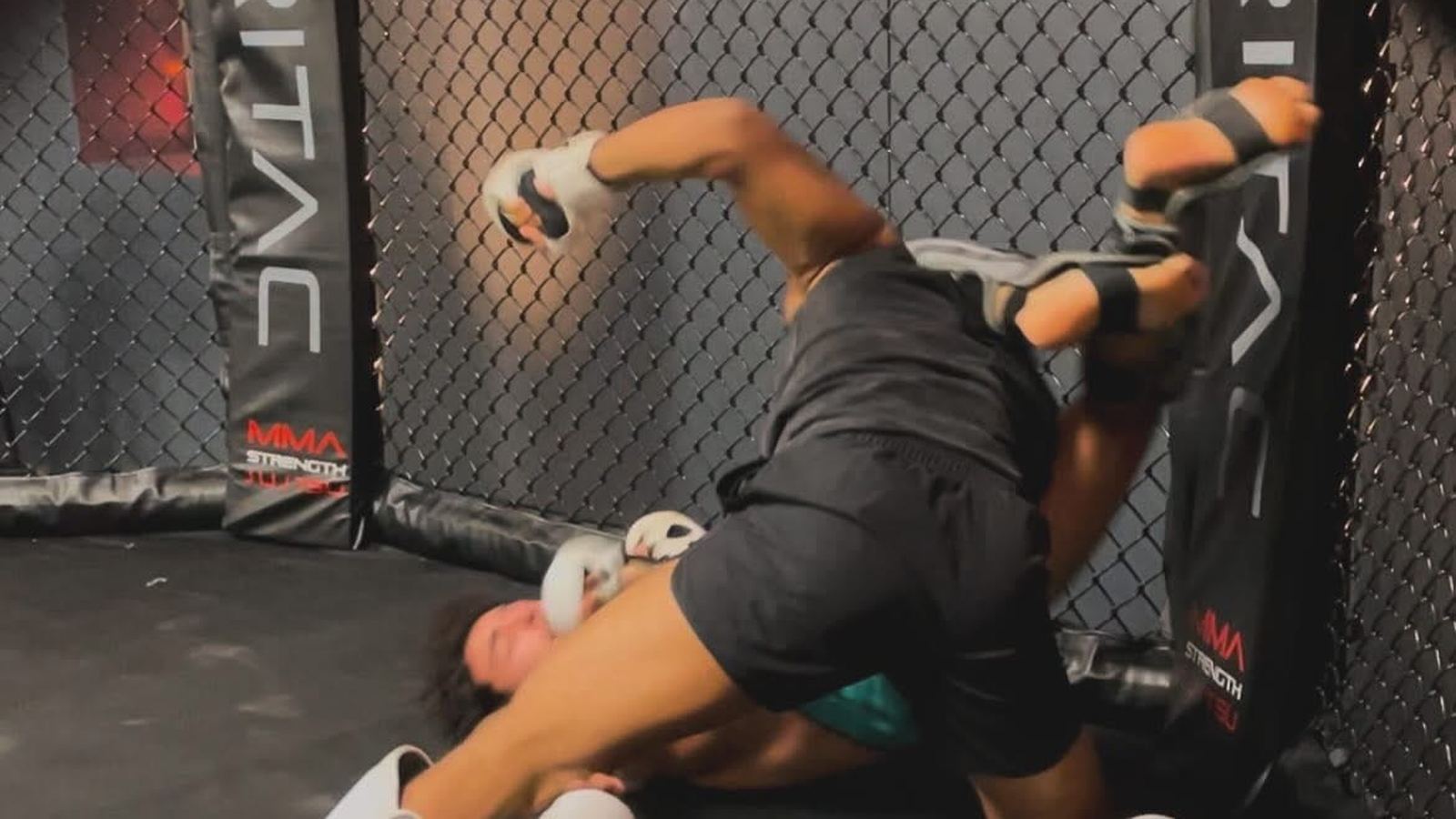
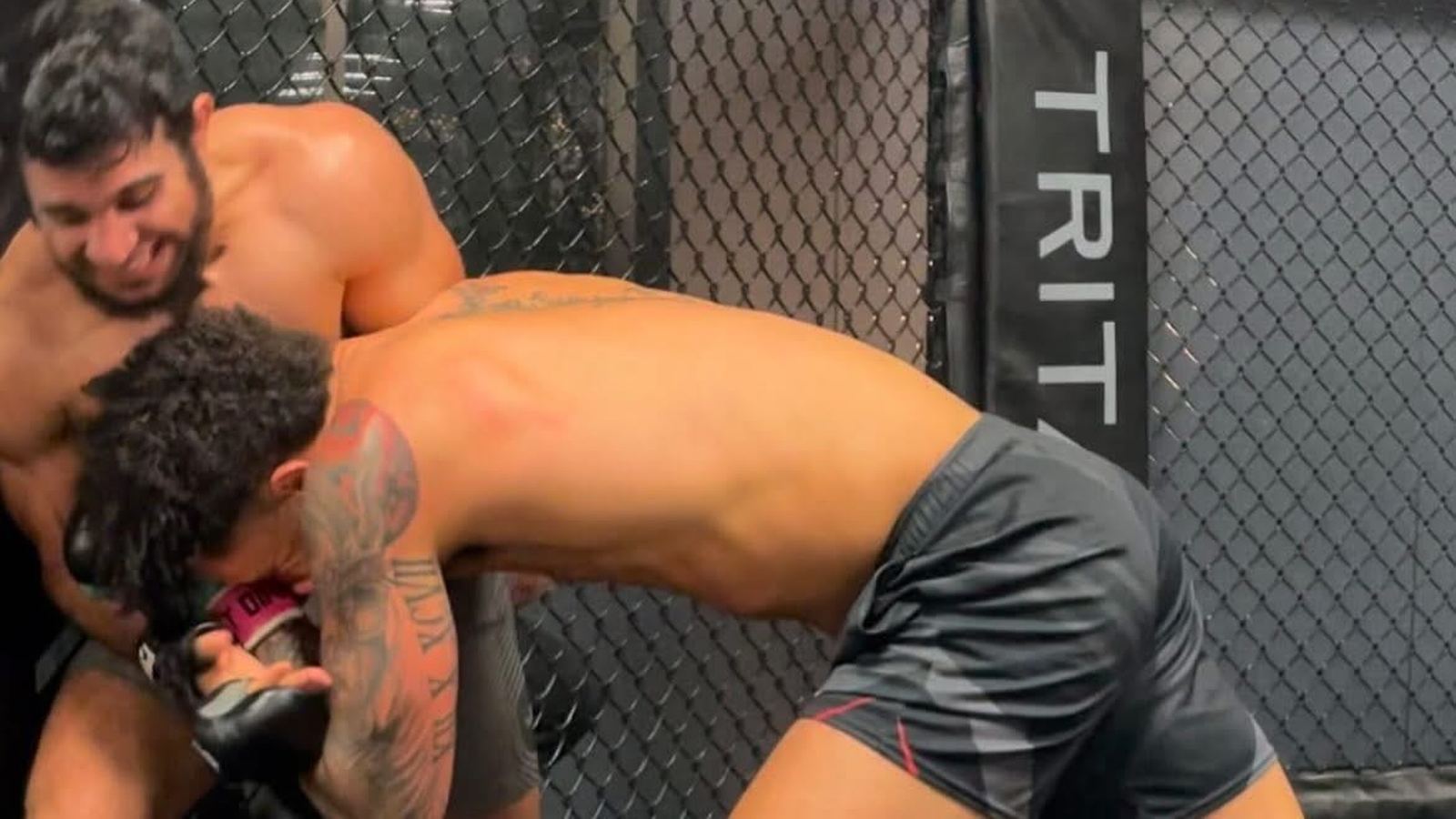
Two fighters working a body lock against the fence inside the TRITAC cage.
TRITAC-MMA
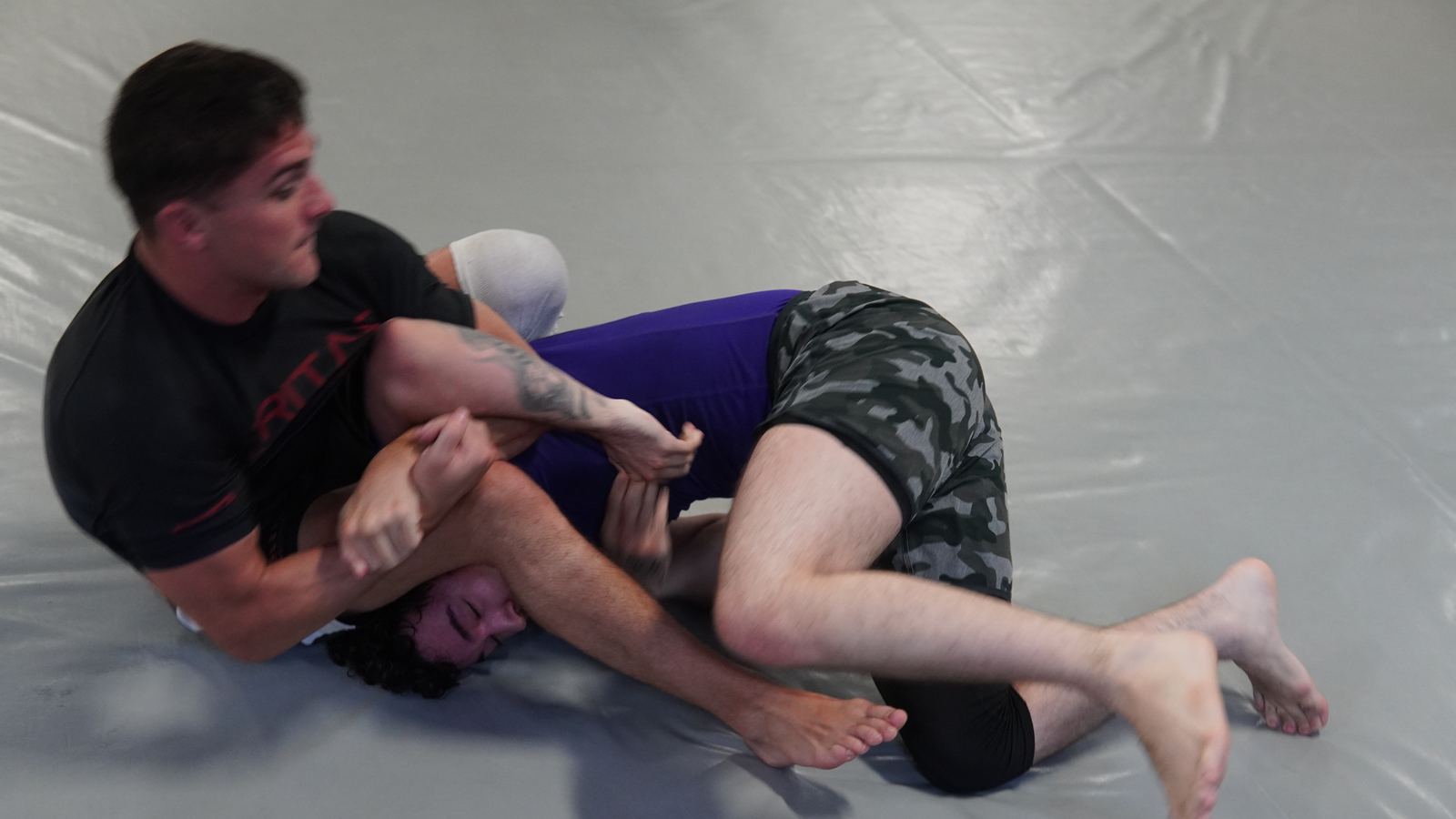
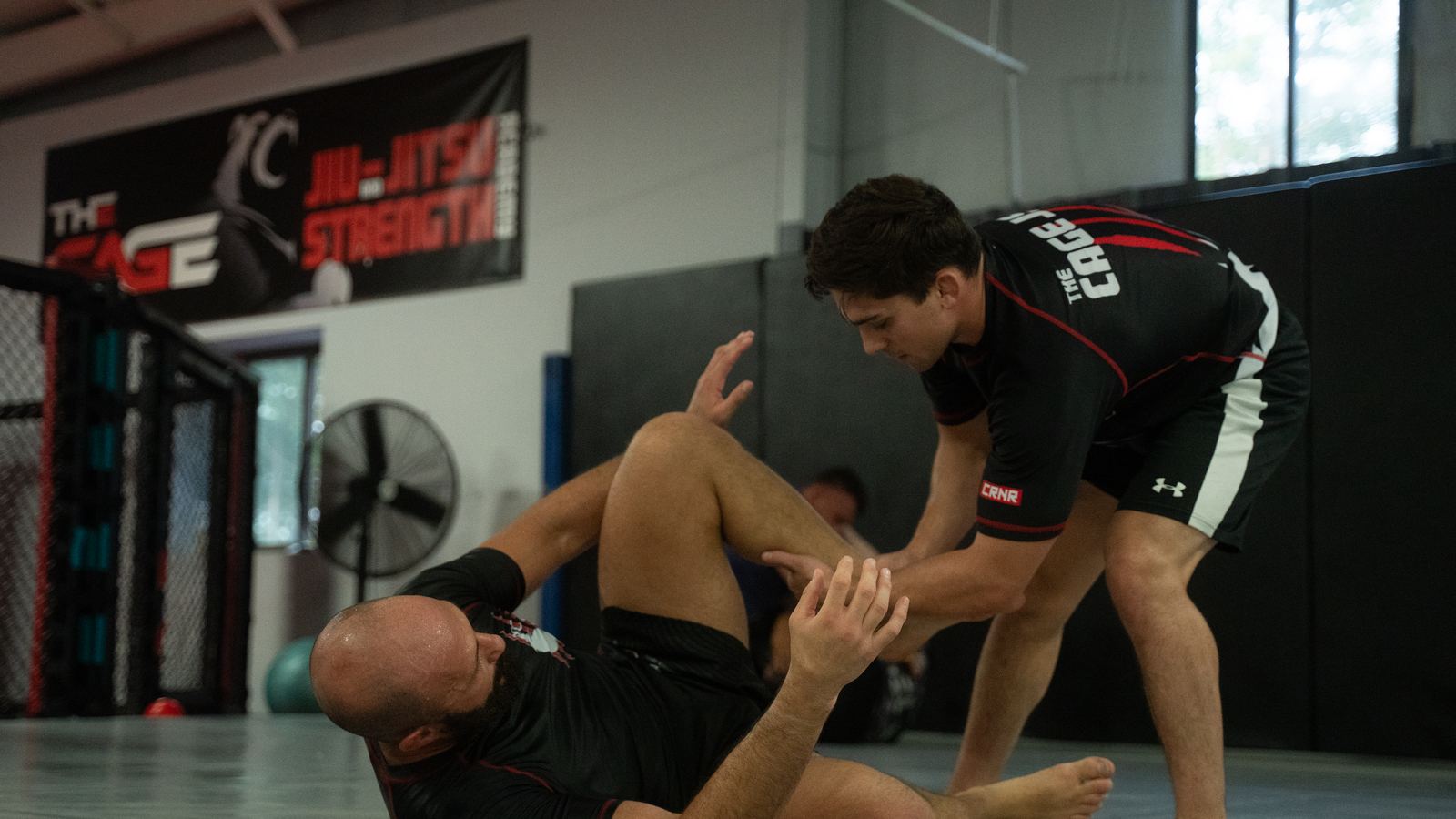
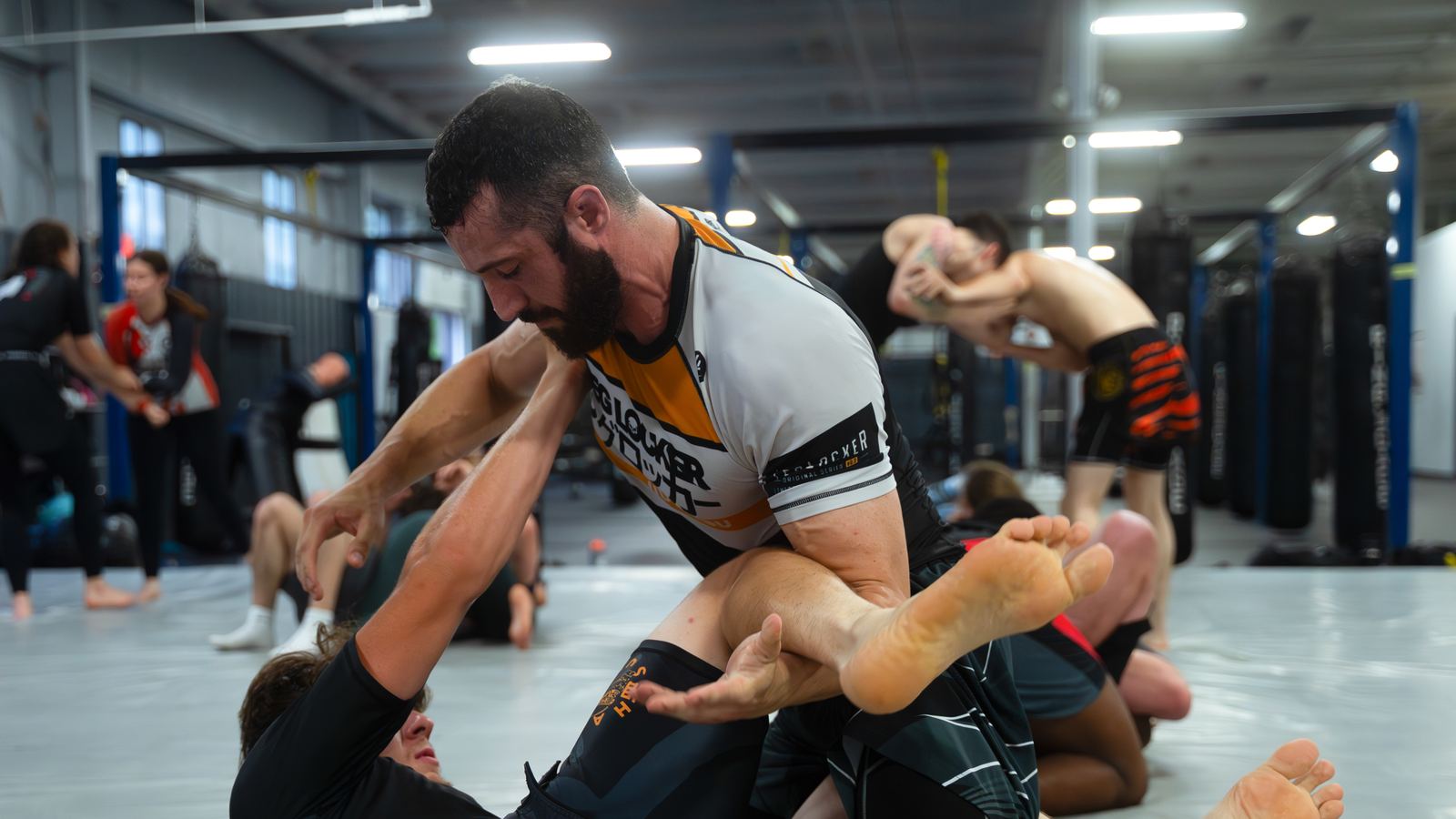
Two students in a live no-gi round, one working a leg entanglement on the mat.
TRITAC-Jitsu
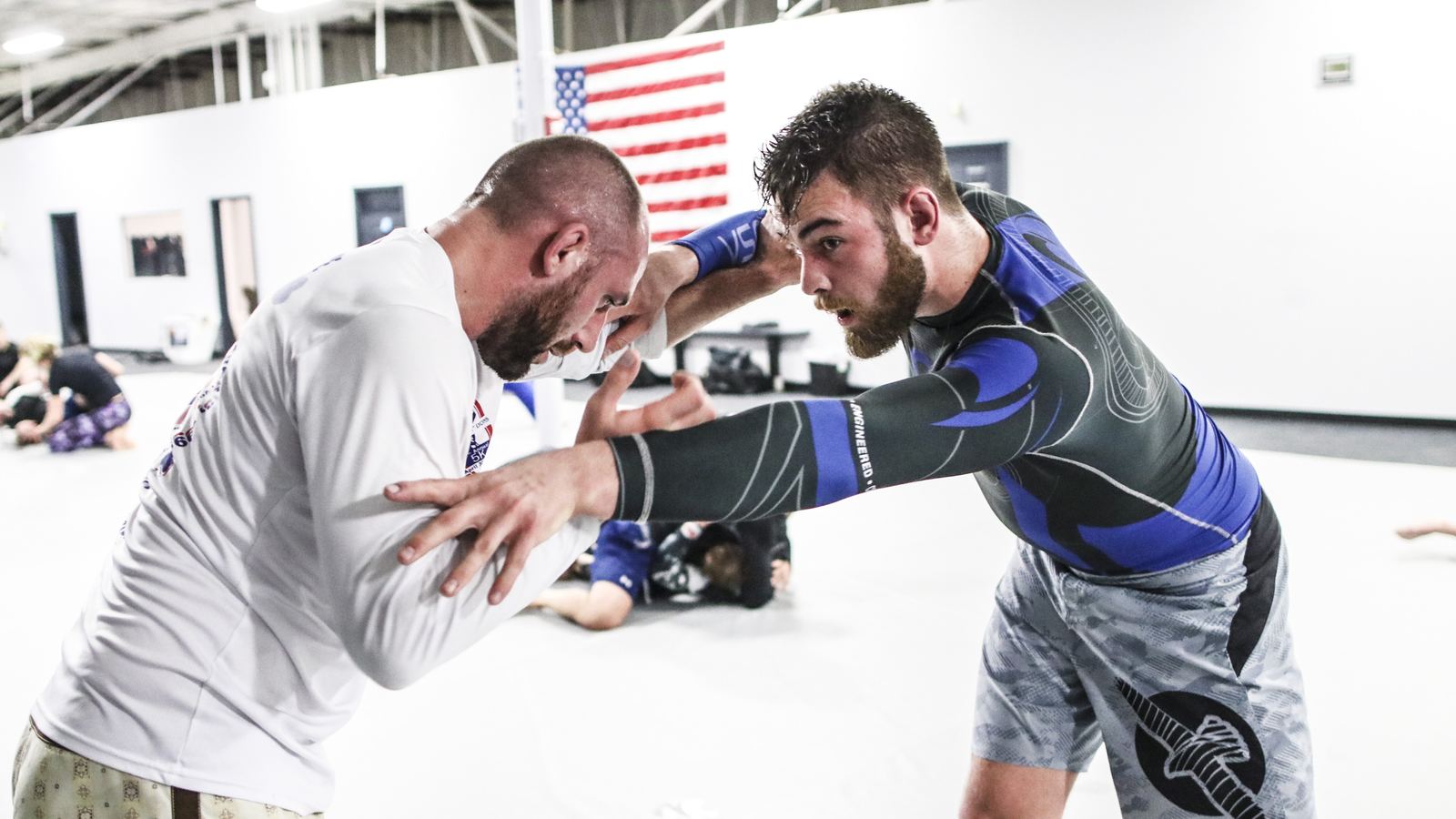
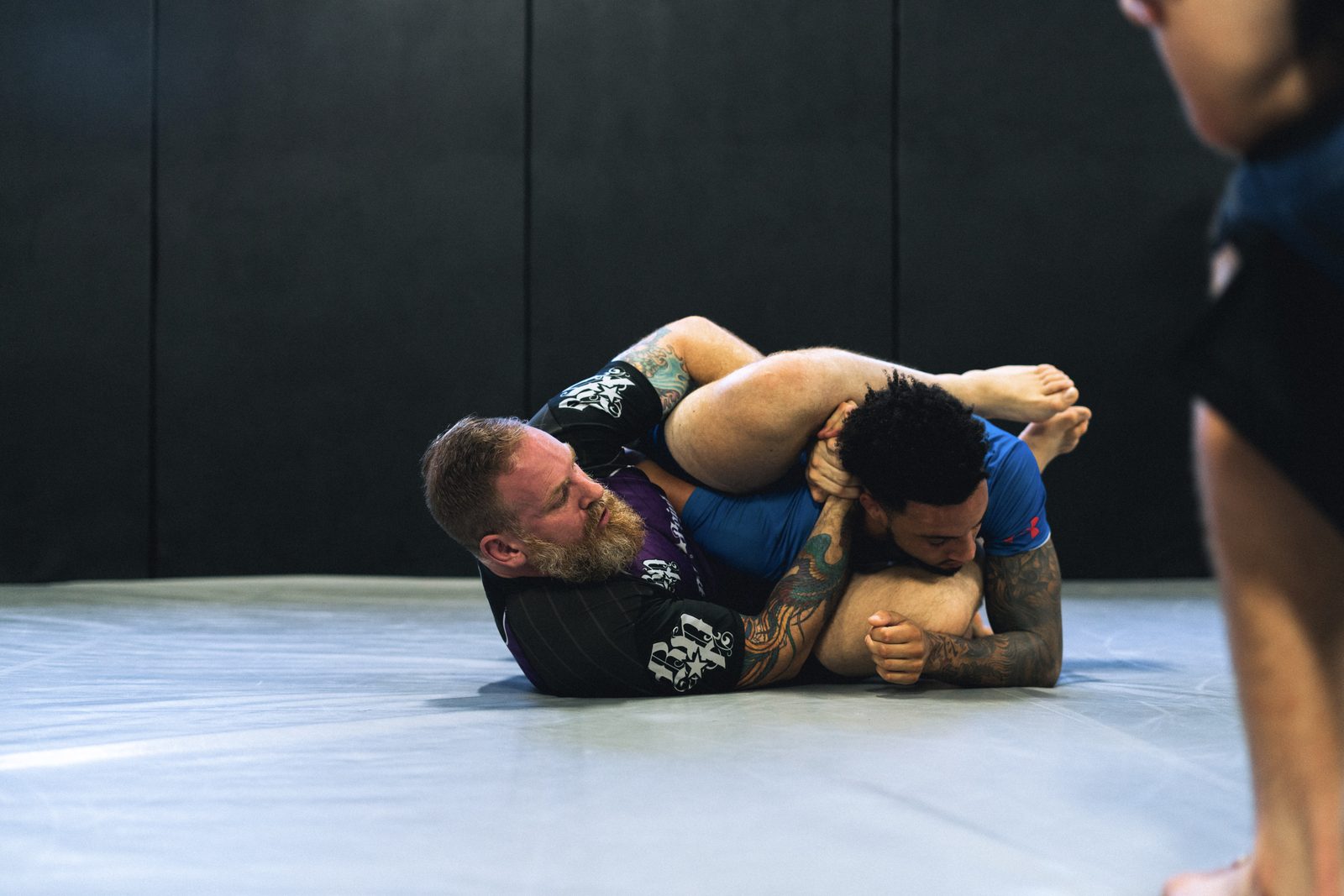
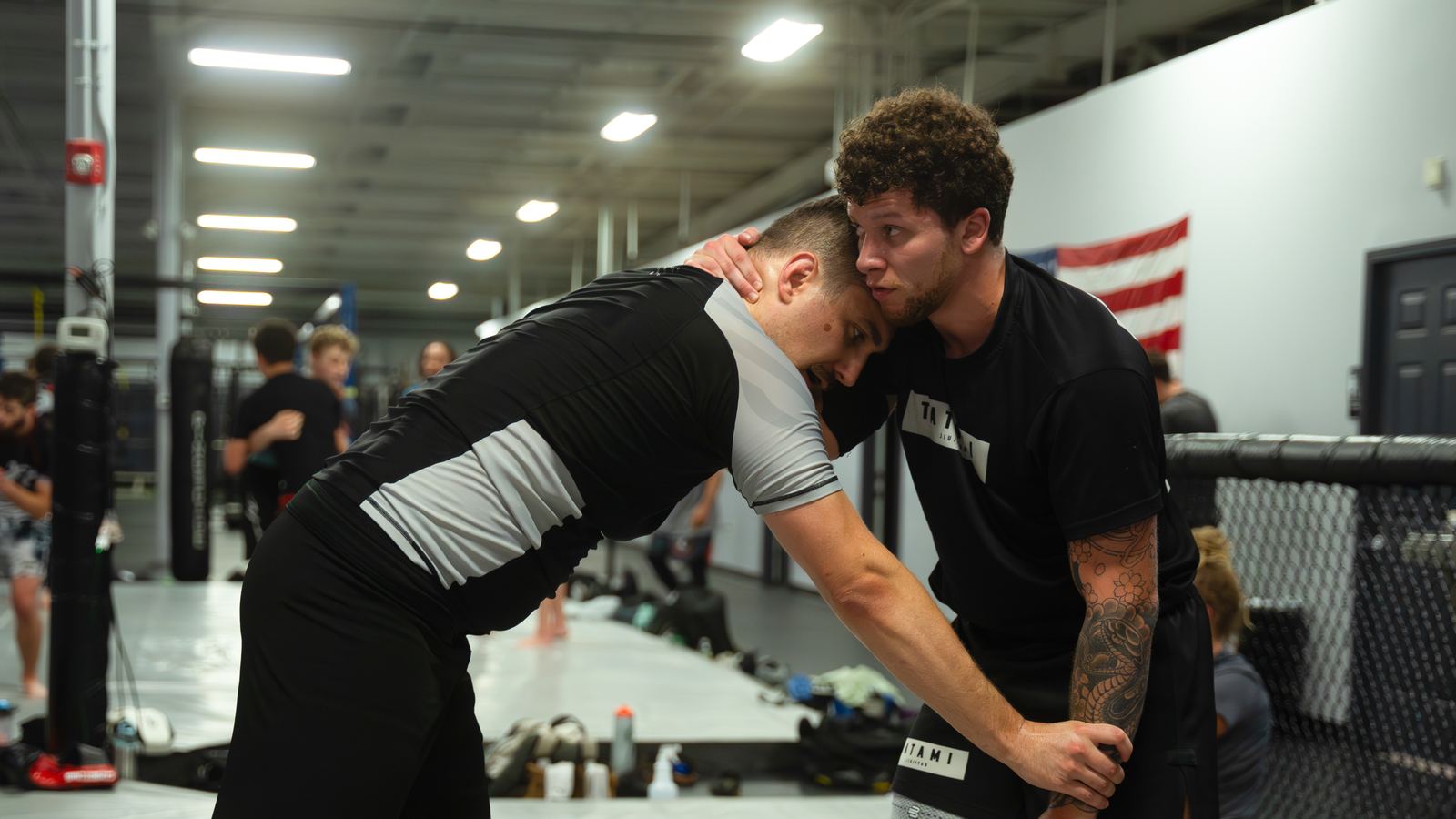
Two students working close range, one controlling the head and neck of the other.
TRITAC-Combatives
3
Systems
3
Levels Each
60
Skill Trees
1171
Mapped So Far
Why three systems

DIFFERENT PROBLEMS
NEED DIFFERENT TRAINING.

MMA, Jiu-Jitsu, and self-defense overlap. They are not the same thing.

The rules change. The goal changes. The distance changes. What matters most changes with it.

That is why TRITAC is built as three systems instead of one giant pile of techniques.

TRITAC-MMA trains the complete fight. TRITAC-Jitsu goes deep into grappling. TRITAC-Combatives trains for the problems that show up when there is no referee.

They share a lot of the same tools. They just use them for different jobs.

Pick your starting point

THREE SYSTEMS.
EACH ONE HAS A JOB.

01

TRITAC-MMA

STAND. CLINCH. TAKE IT DOWN. FINISH OR GET BACK UP.

Striking, clinch work, takedowns, cage work, ground control, submissions, and ground and pound.

The goal is not to become a boxer who knows a little wrestling or a grappler who learned a few combinations. You learn to connect the whole fight. A punch can set up the clinch. The clinch can set up the takedown. The takedown should put you somewhere useful. And if you end up somewhere you do not want to be, you need a way out.

Good fit if you want the complete fighting game, whether you ever compete or not.

L1139L2118L393
Explore TRITAC-MMA
A fighter working from top position against the cage during a hard round.
02

TRITAC-Jitsu

WRESTLING. POSITION. CONTROL. SUBMIT.

TRITAC-Jitsu is our complete grappling system. Brazilian Jiu-Jitsu, wrestling, Judo, and Japanese Jujitsu all have something important to say about grappling. We use those strengths instead of pretending one art owns the whole answer.

You learn to get the fight to the ground. You learn to work from the top and the bottom. You learn to escape bad positions, control good ones, attack submissions, defend them, and get back to your feet when that is the better answer. No single game gets forced on everybody. Your grappling should eventually look like your grappling.

Good fit if you love grappling, want better Jiu-Jitsu, or want a complete no-gi game from standing to submission.

L1136L2141L3140
Explore TRITAC-Jitsu
A grappler holding top control and attacking an arm during a live round.
03

TRITAC-Combatives

DEFEND. CONTROL. GET OUT.

Combatives starts with a different question. What changes when this is not a match?

Awareness, distance, frames, striking, clinch work, takedowns, ground survival, weapons, multiple attackers, and getting out are all part of the system. You still need real striking. You still need real grappling. But the goal is different. There may be a wall, another person, a weapon, concrete, or a reason staying in the fight is a terrible idea. The training has to account for that.

Good fit if you care most about practical self-defense and being harder to hurt when things go bad.

L1134L2144L3126
Explore TRITAC-Combatives
A coach in white framing against a partner's strike during a defense drill.
The method

DIFFERENT SYSTEMS.
SAME COACHING RULES.

Everything connects.

We do not teach techniques as isolated moves. What gets you there? What can stop it? What does it lead to? What happens when the first answer fails? A jab, frame, underhook, trip, guard pass, escape, or choke has a place because it connects to something else. That is how people actually fight and grapple.

Defense has to lead somewhere.

Defense is not a separate class we remember to teach later. It is part of the skill. Parry and return. Frame and move. Sprawl and attack. Escape and reverse. Protect yourself, solve the immediate problem, then take something back.

It has to work against resistance.

We teach the movement. Then we drill it. Then somebody starts reacting. Then they start resisting. Flows become games. Games become live rounds. Combatives adds scenario pressure when the problem calls for it. Nobody needs to get thrown into chaos on day one. But eventually the technique has to work when the other person does not cooperate.

Your training should fit you.

The standard stays the same. The route does not have to. A wrestler walking into TRITAC does not need the same first six weeks as someone who has never trained. A Jiu-Jitsu player with great guard retention and weak takedowns does not need the same work as someone with the opposite problem. We figure out where you are, then we build from there.

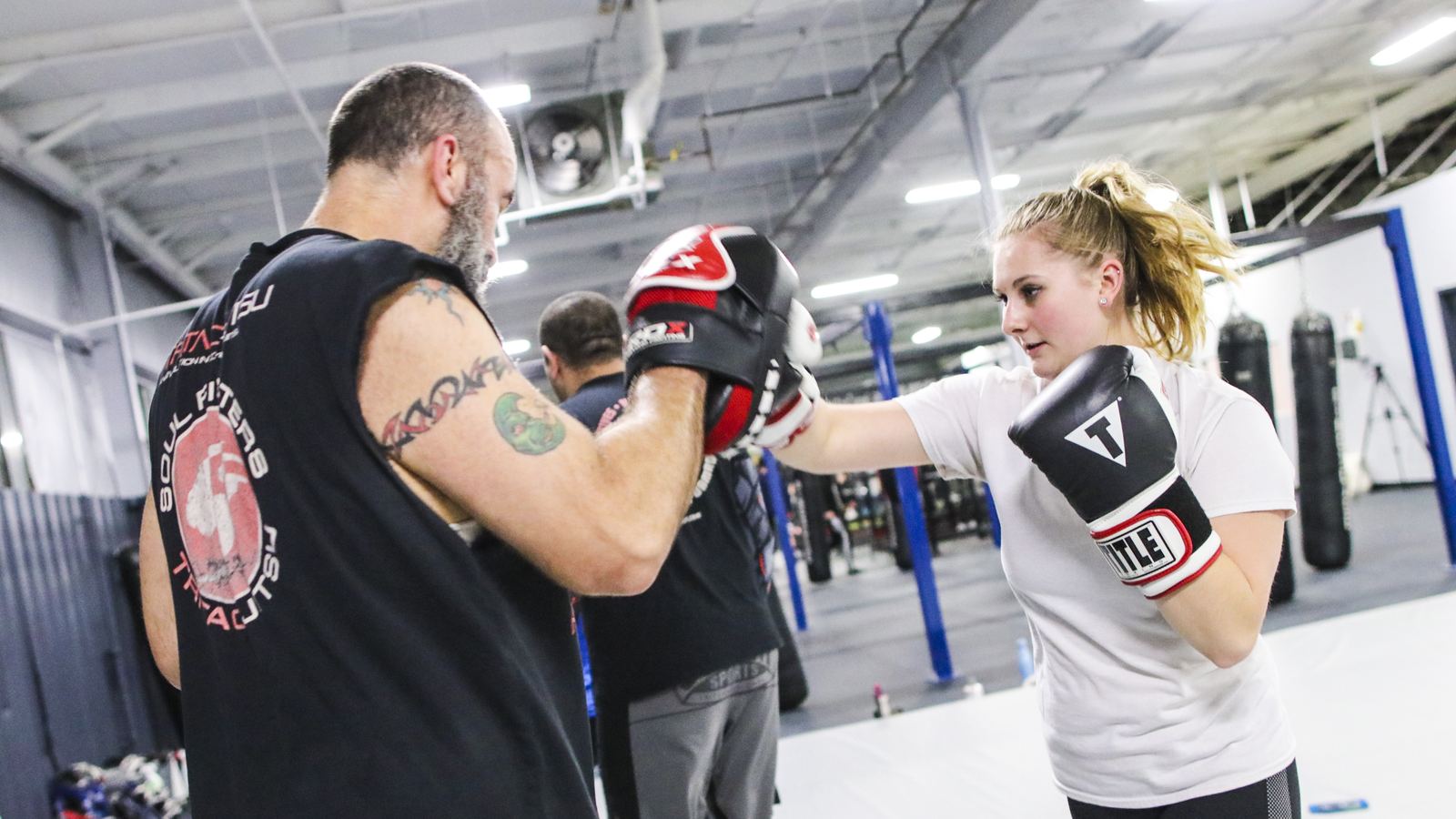
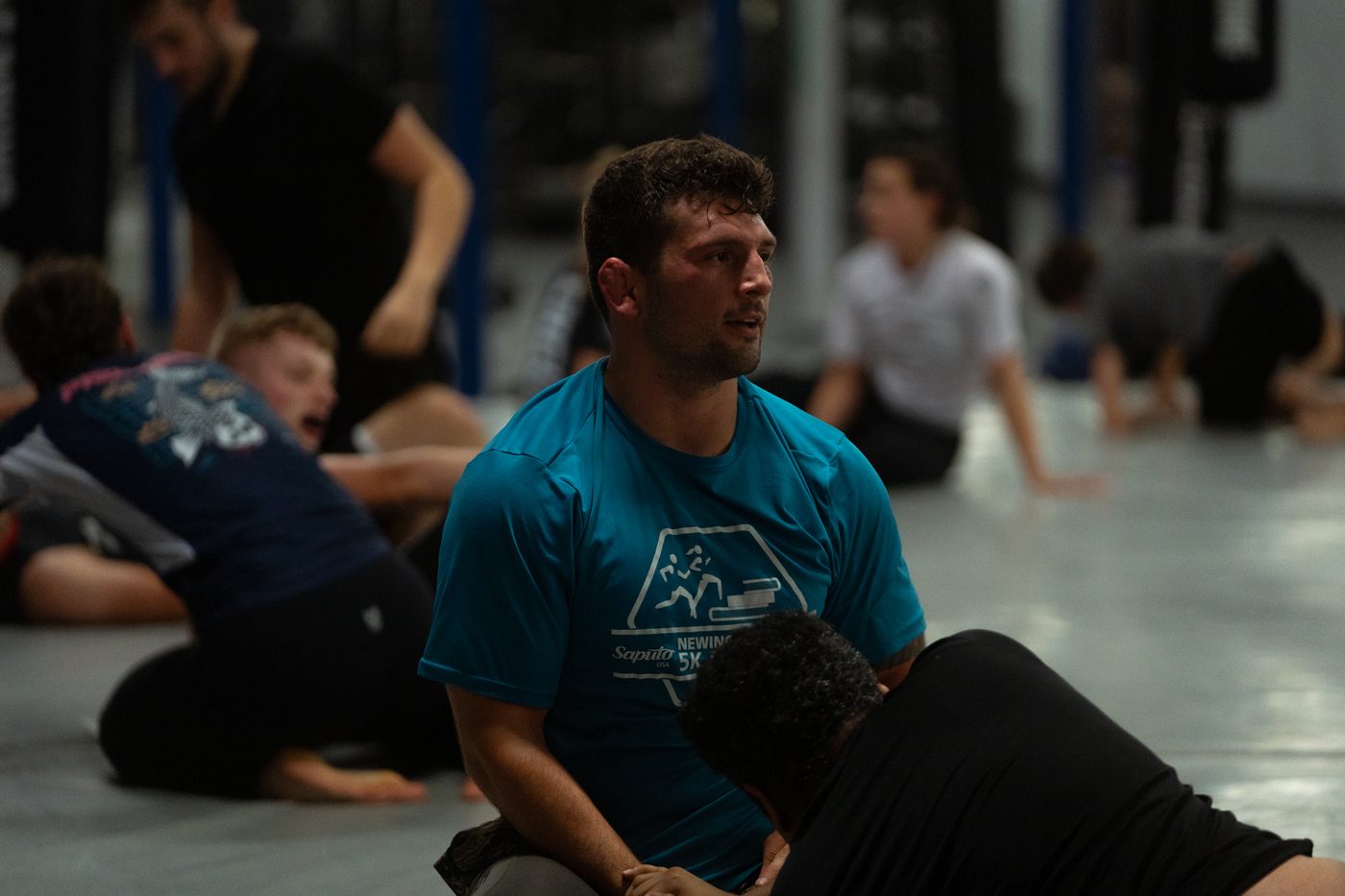
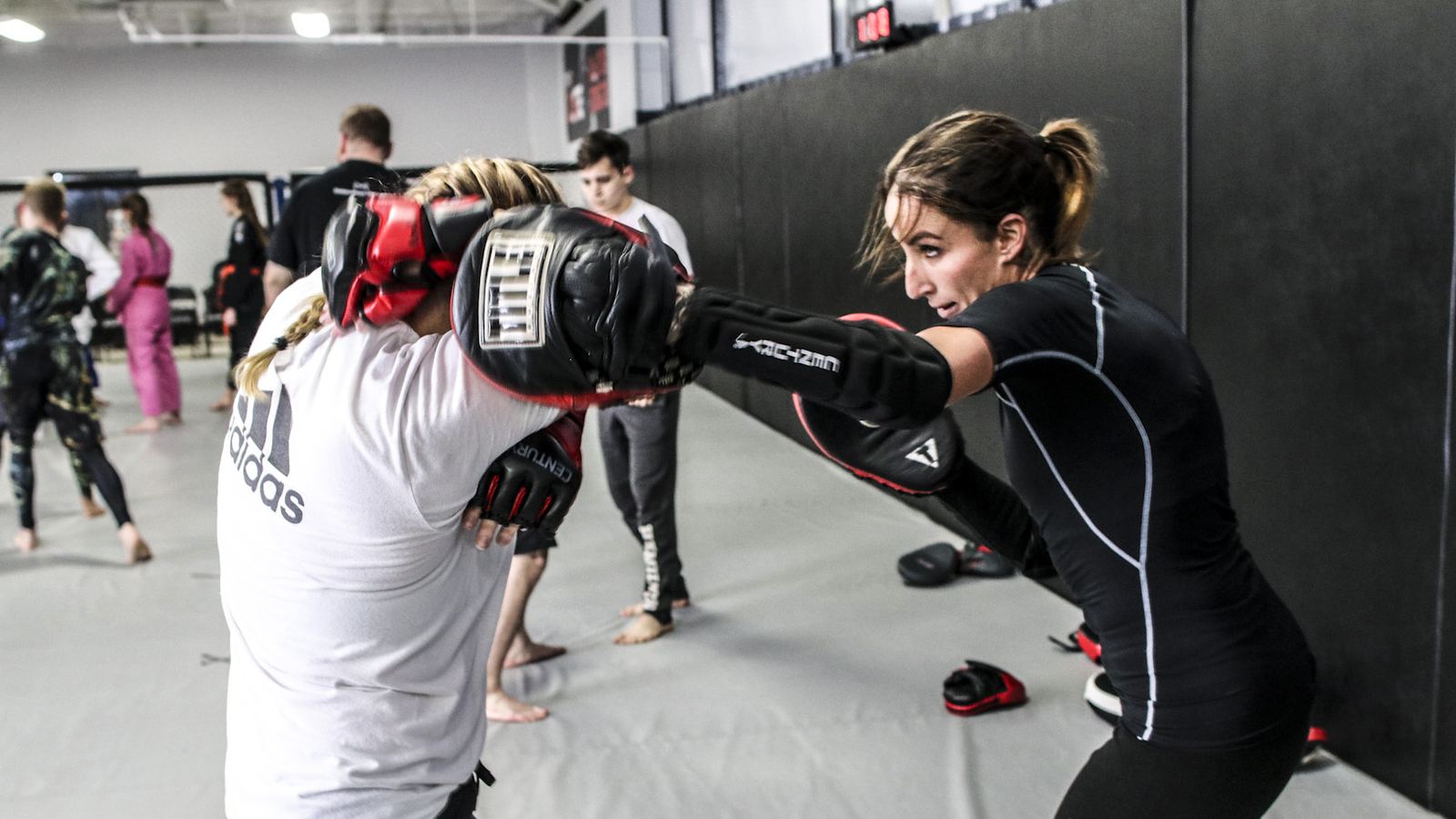
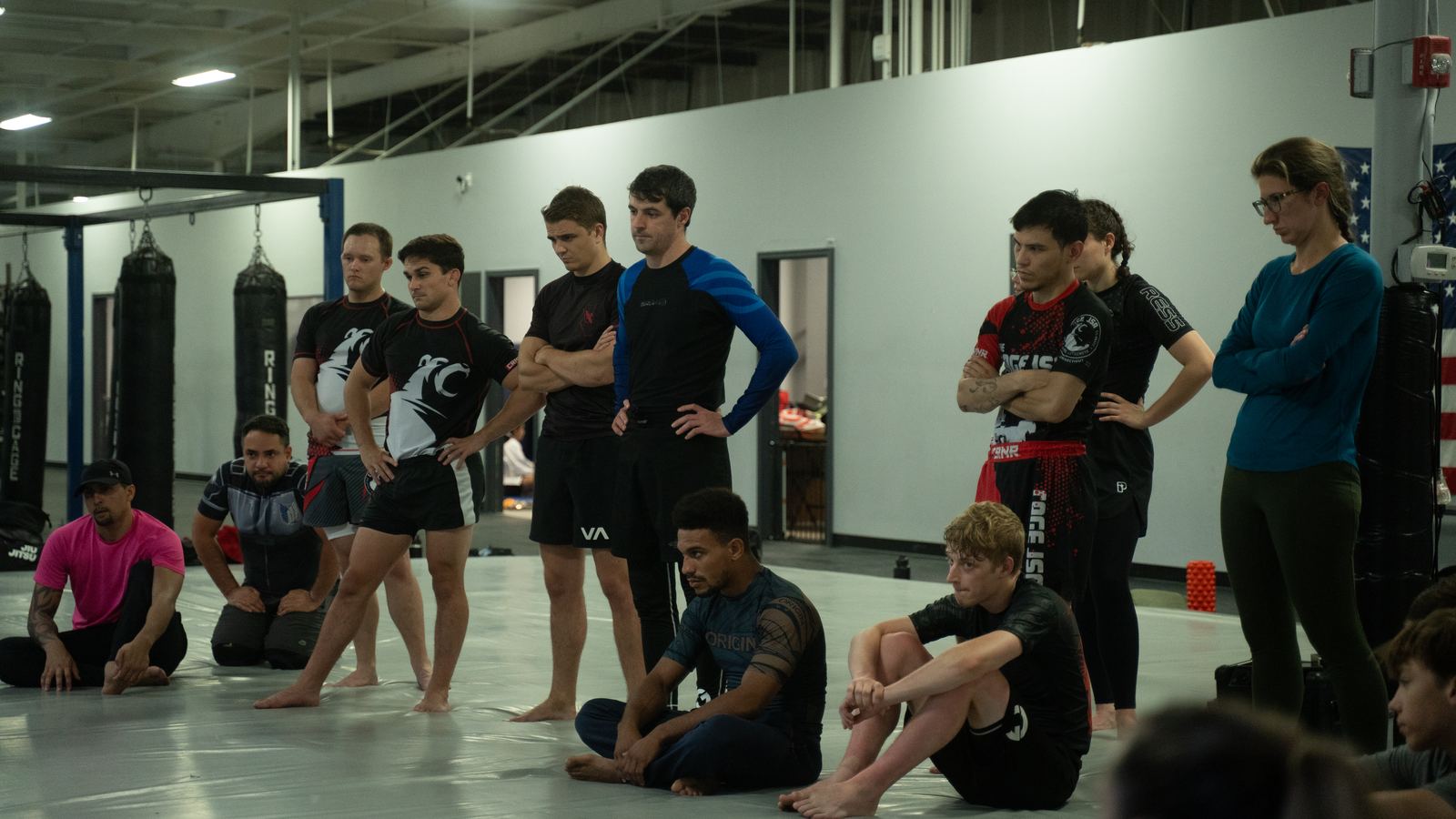
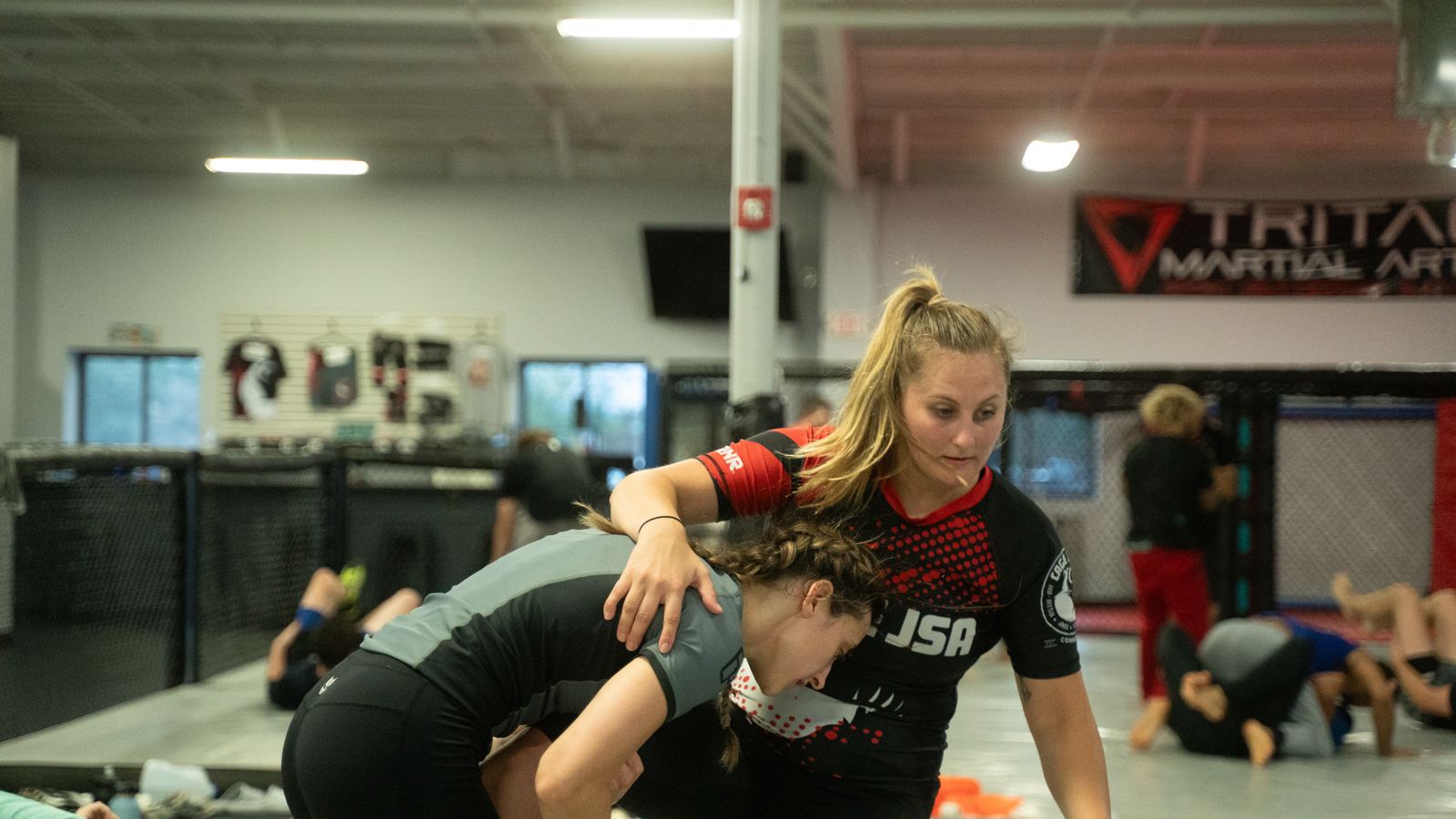
A TRITAC coach holding pads while a student throws a straight punch.A coach kneeling on the mat correcting a student mid-drill while the class works around them.Two students in headgear and gloves sparring live on the TRITAC mat.A TRITAC class standing and sitting on the mat watching a technique being taught.
Progression

THREE LEVELS.
A CLEAR BODY OF WORK.

Each TRITAC system has three levels. A level is not just time served.

It is a defined body of work spread across the skill trees inside that system. Every student working through a system is building toward the same requirements.

What changes is the route. Your plan can move one skill forward sooner, spend more time on a weakness, or lean harder into the game that fits you. But the level still gives you a clear standard to work toward.

TRITAC-MMA
Level 1139 across 33 trees
Level 2118 across 32 trees
Level 393 across 31 trees
TRITAC-Jitsu
Level 1136 across 29 trees
Level 2141 across 28 trees
Level 3140 across 21 trees
TRITAC-Combatives
Level 1134 across 35 trees
Level 2144 across 40 trees
Level 3126 across 40 trees
The map

THE SYSTEM IS NOT A LIST.
IT IS A MAP.

This is one of the biggest differences in TRITAC. We mapped the skills and the relationships between them.

Not just what a technique is. What it connects to. What it defends. What counters it. What it can become next.

That creates skill trees instead of a giant technique library.

TRITAC Trinity
165Punches43Strikes5Ground Top211Guard6332Kicks32455Defense2315Clinch63Entries1041Takedowns71Ground Bottom4324Footwork3Submissions1Ground StrikesLevel 1139to train
Level 1
33 trees
139 to train

The bigger the pip, the more of this level lives in that tree. Point at one to name it.

165435211633232455231563104171432431Level 1139to train
Level 1
33 trees
139 to train

The bigger the pip, the more of this level lives in that tree. Point at one to name it.

Standing
Ground
Both
Punches
Straight Punches16Circular Punches5
Strikes
Hammers4Frame Attacks3
Ground Top
Ground Top5
Guard
Guard2Sweeps1Passing1
Kicks
Round Kicks6Linear Kicks3Knee Strikes3Leg Kicks2
Defense
Fence Defense3Slips & Rolls2Frame Defense4Kick Defense5Takedown Defense5
Clinch
Clinch Defense2Hand Fighting & Control3Clinch Controls15
Entries
Striking Entries6Grappling Entries3
Takedowns
Wrestling Takedowns10Jujitsu Trips & Throws4Headlock Takedowns1
Ground Bottom
Positional Escapes7Get-Ups1
Footwork
Core Footwork4Angle Footwork3Switch Footwork2Grappling Movement4
Submissions
Submissions3
Ground Strikes
Ground Strikes1
Level 1 trees
Straight Punches16
Circular Punches5
Hammers4
Ground Top5
Frame Attacks3
Guard2
Round Kicks6
Linear Kicks3
Knee Strikes3
Leg Kicks2
Fence Defense3
Slips & Rolls2
Frame Defense4
Kick Defense5
Takedown Defense5
Clinch Defense2
Striking Entries6
Grappling Entries3
Hand Fighting & Control3
Clinch Controls15
Wrestling Takedowns10
Jujitsu Trips & Throws4
Headlock Takedowns1
Positional Escapes7
Get-Ups1
Core Footwork4
Angle Footwork3
Switch Footwork2
Grappling Movement4
Submissions3
Sweeps1
Passing1
Ground Strikes1

You do not have to learn the map.

You train. The map is there so the coaching stays organized behind the scenes. Your class work, plan, drills, videos, and progress can all point back to the same system instead of becoming five separate things.

Your plan

TWO PEOPLE CAN TRAIN THE SAME SYSTEM
AND NEED DIFFERENT WORK.

Two students can both be working through Level 1 TRITAC-MMA and still need very different training this month.

One might already wrestle and need striking. One might have good hands and hate being taken down. One might be brand new and need the basics without being buried in choices.

That is what the plan is for. The quiz gives us a starting point. Your plan decides what gets pushed first, what needs development, and how the work gets ordered. The level tells you what you are building toward.

Same system. Same standard. Different route.

Build My Plan
On the mat

LEARN IT. DRILL IT.
MAKE IT WORK.

A TRITAC class should not feel like a random move somebody picked before class. We build skills into each other.

You may learn an attack, then the defense, then the counter. You may start with a striking exchange, connect it to a clinch, finish with a takedown, then keep working from the position you land in.

In Jitsu, the same idea can connect a takedown to control, an escape to a reversal, or a guard attack to a follow-up when the first one fails. In Combatives, the same structure can be tested against a wall, a weapon problem, another attacker, or the decision to disengage.

The goal is not to remember more moves. The goal is to get better at solving the problems that keep showing up.

TechniqueRepsPartner flowsGamesResistanceLive work
Two students working a ground position against each other during a live round.
Between classes

THE SAME SYSTEM
FOLLOWS YOU HOME.

The TRITAC Hub uses the same map your coaches use. Your plan. Your daily training. Your drills. Your videos. Your progress. They are connected instead of living in separate folders.

If you train in Cromwell, the Hub helps you keep the thread between classes. If you train remotely, it gives you a clear session instead of dropping you into a giant video library and telling you to figure it out.

The technology is not the point. Better coaching is the point.

Where it came from

THIS DID NOT START
AS SOFTWARE.

TRITAC grew out of decades of training, coaching, competing, cross-training, and trying to answer a question we kept running into. How does all of this actually fit together?

Boxing has good answers. Wrestling has good answers. Brazilian Jiu-Jitsu, Japanese Jujitsu, Judo, Kyokushin, kickboxing, and modern combatives have good answers.

We did not want to erase where those answers came from. We wanted to understand where they fit.

The training center gave us a place to test that every week with real students. The map gave us a way to write it down. The Hub gave us a way to make it more personal and keep the coaching going outside class.

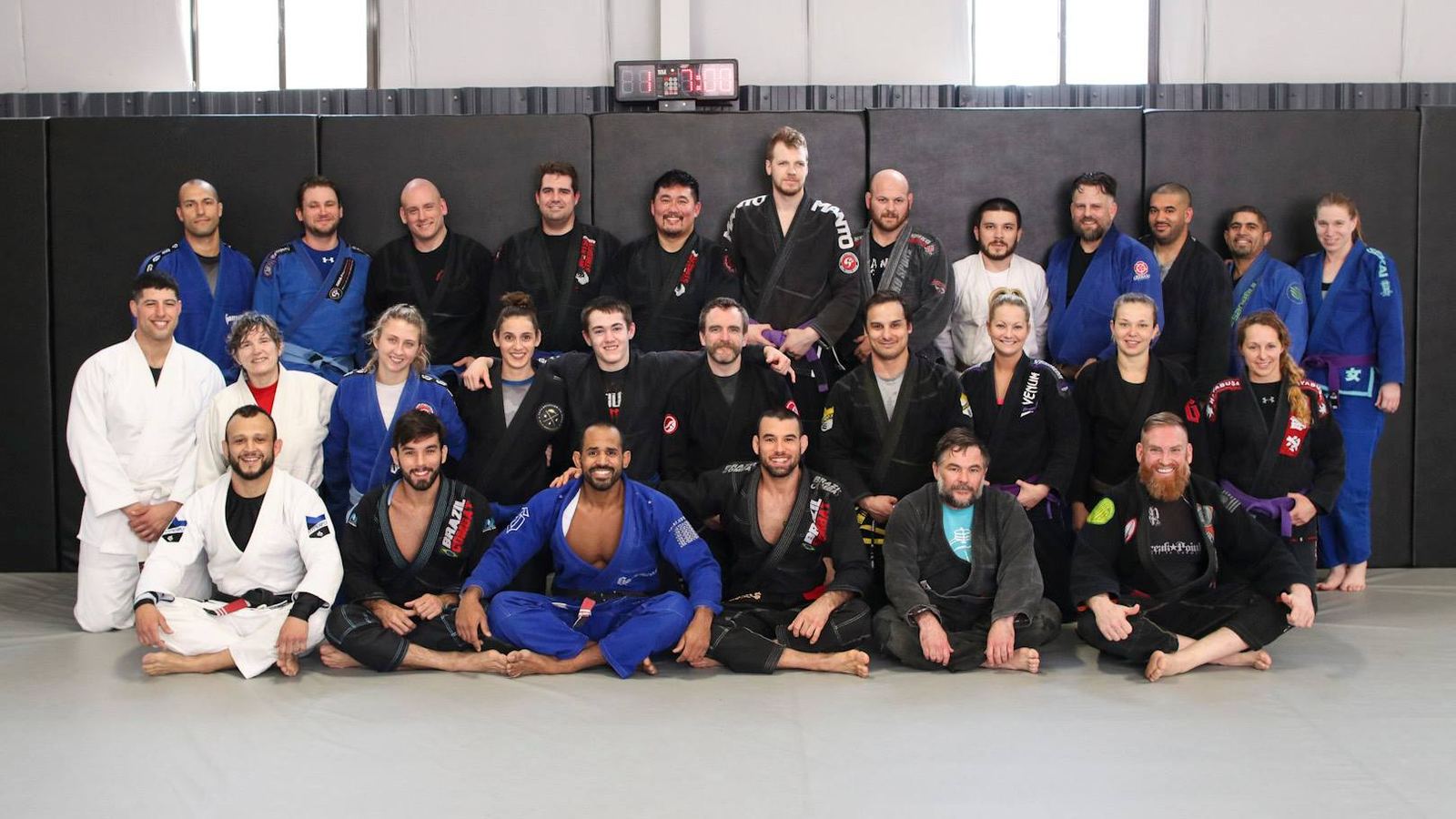
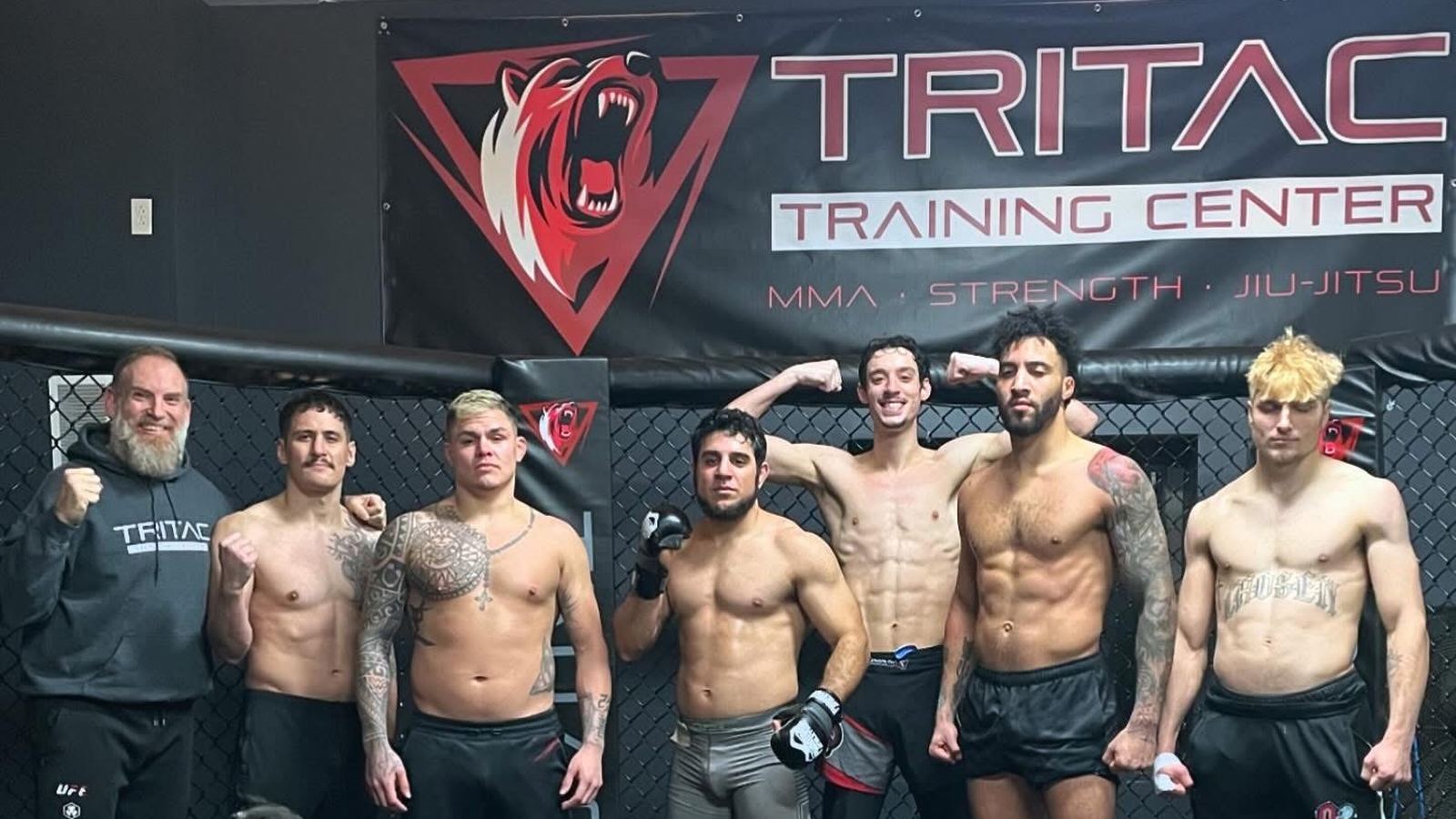
Training under the old Jiu-Jitsu and Strength banner, before the building was renamed.A full class photographed together on the mat.The TRITAC fight team lined up in the cage under the TRITAC Training Center banner.
  1. 01
    The roots

    Years of training across striking, grappling, traditional martial arts, and combatives.

  2. 02
    The training center

    The ideas get coached, tested, changed, and refined with real students.

  3. 03
    The TRITAC systems

    MMA, Jitsu, and Combatives become three clear training systems.

  4. 04
    The map

    Levels and skill trees give the system a structure that can be seen and measured.

  5. 05
    The Hub

    The same structure can now guide each student's training between classes and beyond Connecticut.

Where the three meet

THREE SYSTEMS.
ONE BIGGER GOAL.

TRITAC-MMA38 trees139L1118L293L3TRITAC-Jitsu34 trees136L1141L2140L3TRITAC-Combatives47 trees134L1144L2126L3ALL 3TRITAC Trinity
TRITAC-MMA
38 trees
L1139L2118L393
TRITAC-Jitsu
34 trees
L1136L2141L3140
TRITAC-Combatives
47 trees
L1134L2144L3126
All 3 at Level 3
TRITAC Trinity

TRITAC Trinity sits where the three systems come together.

MMA teaches you to connect the complete fight. Jitsu gives you depth in grappling. Combatives changes the problem when sport rules disappear.

You can start with one. You can spend years going deep into one. Or you can keep building across all three.

That is what Trinity represents. Not someone who knows every martial arts technique ever created. Someone who has built a broad, connected fighting skill set and understands that different problems need different answers.

The long game

THE SYSTEM SHOULD
KEEP GETTING BETTER.

No coach knows everything. Good martial arts knowledge lives in people.

A coach figures something out after twenty years of training. A fighter finds a better setup. A student exposes a hole nobody noticed. Usually a lot of that disappears. We want to keep more of it.

When something works, we document it. When something does not, we change it. When a coach adds a better answer, the system gets better.

The goal is not to replace coaches with technology. The goal is to give coaches and students a better system to train inside.

There is no one true master of martial arts. With the right technology, the system can be bigger than any one of us could ever be.

Matt Bryers, Founder
Matt Bryers on the mat working a position with a student during class.

Not sure which system?
That is what the plan is for.

You do not need to figure all of this out before you start. Tell us where you are, what you have trained, and what you want to get better at. We will help you pick the starting point. Start with your free 21 days. No card.
Build My PlanView the Schedule